
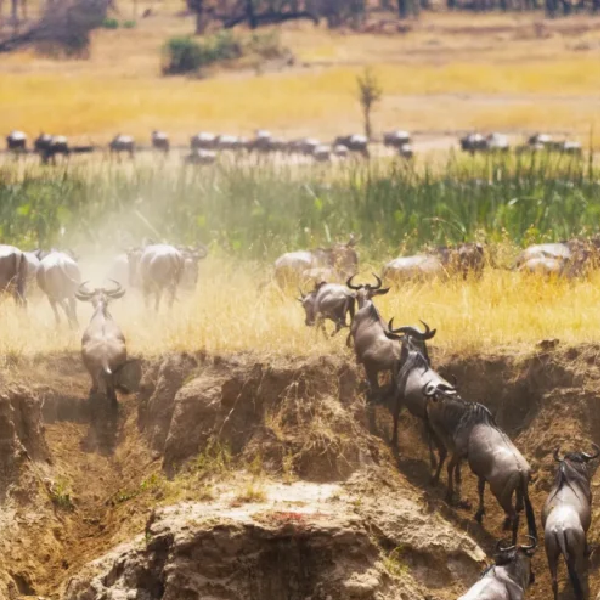
Kenya is one of the world’s premier safari destinations, famed for its abundant wildlife and breathtaking landscapes. A key feature that sets a Kenyan safari apart is seasonal wildlife migration, the large-scale movement of animals in search of food, water, and favorable habitats. Understanding these migration patterns is essential for planning the perfect safari experience.
What is Seasonal Wildlife Migration?
Seasonal wildlife migration is nature’s survival strategy. Animals move between regions depending on rainfall, vegetation growth, and water availability. These movements are often predictable, allowing safari planners to anticipate where wildlife will be at different times of the year.
The most iconic migration in East Africa is the Great Migration, involving over a million wildebeest, along with hundreds of thousands of zebras and gazelles, moving between Tanzania’s Serengeti National Park and Kenya’s Masai Mara National Reserve. However, other species—elephants, impalas, buffaloes, and migratory birds—also shift locations seasonally, creating dynamic wildlife viewing opportunities.
How Migration Shapes Your Safari Experience
1. Timing Your Trip
Timing is everything when it comes to migration-based safaris:
- July to October: The Great Migration reaches the Masai Mara, offering the dramatic sight of wildebeest and zebras crossing the Mara River—a bucket-list experience for wildlife photographers and safari enthusiasts.
- November to June: The herds return south to the Serengeti in Tanzania. This period still offers excellent safari experiences, including predator sightings and birdwatching, but river crossings are minimal.
2. Choosing the Right Park or Reserve
Different parks have different migration cycles. Choosing the correct park ensures you don’t miss the highlights:
- Masai Mara: Peak migration for river crossings and predator action.
- Serengeti: Ideal from December to June when the herds are in Tanzania.
- Amboseli and Tsavo: Offer resident wildlife year-round, perfect for travelers who prefer guaranteed sightings of elephants, lions, and giraffes.
3. Safari Activities During Migration
Migration season offers unique safari activities:
- Game Drives: Animals may spread over larger areas, requiring longer drives, but rewarding sightings are plentiful.
- River Crossings: Witnessing wildebeest navigate crocodile-filled rivers is a highlight of the Great Migration.
- Photography: Dramatic landscapes combined with massive herds make for breathtaking photos.
- Birdwatching: Many migratory bird species arrive with the rains, adding color and diversity to your safari experience.
4. Booking and Costs
Migration periods often coincide with high tourist season, which affects pricing and availability:
- Peak Season (July–October): Expect higher rates for accommodations and guided tours, especially near Masai Mara. Early booking is essential.
- Shoulder Season (November–June): Lower prices, fewer crowds, but wildlife highlights may be less dramatic.
Tips for Planning Around Wildlife Migration
- Use Migration Calendars: Many safari operators provide detailed migration maps and timing guides for different parks.
- Combine Parks: Maximize wildlife sightings by visiting multiple reserves to see both resident and migrating animals.
- Be Flexible: Animals do not adhere strictly to calendars—weather patterns can shift migration routes.
- Prioritize Experiences: Decide if you want river crossings, predator action, or quiet wildlife encounters, then plan accordingly.
- Hire Experienced Guides: Local guides know current wildlife locations and will help you make the most of your safari.


Leave a Reply